Ovarian cysts are a common gynaecological condition that can affect women during their reproductive years. While many cysts are harmless and disappear naturally, some may cause pelvic discomfort, irregular periods or other symptoms that need medical attention. Understanding the condition early can help women make informed decisions about their reproductive health.
With over 12 years of experience displayed on her clinic profile, Dr. Shweta Hasija (MBBS, MS), Consultant Obstetrician and Gynaecologist, provides women’s healthcare services, including the evaluation and management of ovarian cysts. Her additional FMAS training supports her experience in minimally invasive gynaecological procedures.
What Is an Ovarian Cyst?
An ovarian cyst is a fluid-filled sac that develops on or inside an ovary. Ovaries are responsible for releasing eggs and producing important reproductive hormones. Some cysts develop naturally during the menstrual cycle, while others may be associated with conditions such as endometriosis.
Most ovarian cysts are non-cancerous. However, their size, appearance and associated symptoms determine whether monitoring or treatment is required.
Common Symptoms of Ovarian Cysts
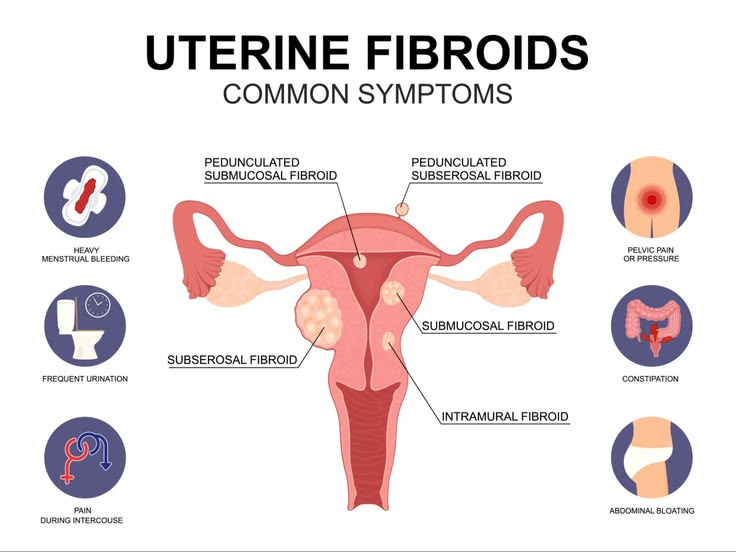
Many women do not experience noticeable symptoms. However, larger cysts or those causing complications may lead to:
-
Lower abdominal or pelvic pain
-
Bloating or abdominal heaviness
-
Irregular menstrual periods
-
Pain during sexual intercourse
-
Frequent urination
-
Difficulty conceiving in certain cases
Sudden, severe pelvic pain accompanied by vomiting or fever requires urgent medical evaluation, as it may indicate ovarian torsion or a ruptured cyst.
How Are Ovarian Cysts Diagnosed?
Accurate diagnosis is important before deciding on treatment. A gynaecologist may recommend:
Pelvic Ultrasound: Helps identify the cyst’s size, location and structure, including whether it is fluid-filled or contains solid areas.
Blood Tests: Specific tests, including CA-125 when clinically indicated, may help assess certain ovarian abnormalities.
Medical History and Examination: Menstrual patterns, symptoms, age and reproductive plans are considered while evaluating the condition.
Ovarian Cyst Treatment in Gurgaon: Available Options
The treatment approach depends on the cyst’s type, size, appearance, symptoms and the woman’s overall health.
1. Regular Monitoring: Small, uncomplicated cysts may disappear naturally. Follow-up ultrasound scans help monitor changes over time.
2. Medication: Medicines may be prescribed to manage pain or address associated hormonal conditions. Not every ovarian cyst requires medication, and medicines do not necessarily remove an existing cyst.
3. Laparoscopic Surgery: If a cyst is persistent, large, painful or suspicious on imaging, surgery may be considered. Laparoscopic ovarian cyst removal involves small incisions and specialised instruments. Whenever medically appropriate, the surgeon aims to preserve healthy ovarian tissue.
Can Ovarian Cysts Affect Pregnancy?
Most ovarian cysts do not prevent pregnancy. However, certain types, particularly endometriomas, may be associated with fertility difficulties. Treatment decisions should consider future pregnancy plans and ovarian reserve wherever relevant. Discussing fertility concerns with a gynaecologist before surgery is important.
When Should You Consult a Gynaecologist?
Do not ignore persistent pelvic pain, unexplained bloating, changes in menstrual cycles or recurring abdominal discomfort. Women experiencing these symptoms should seek a proper medical assessment.
For women seeking ovarian cyst treatment in Gurgaon, Dr. Shweta Hasija offers gynaecological consultation and evaluation at her clinic in Sector 89, Gurugram. An individualised assessment helps determine the most suitable management approach.
Frequently Asked Questions
1. Can ovarian cysts disappear without surgery?
Yes. Many functional ovarian cysts resolve naturally within a few menstrual cycles. Follow-up scans may be recommended to monitor them.
2. Is every ovarian cyst dangerous?
No. Most ovarian cysts are benign. However, persistent, complex or suspicious cysts require proper medical evaluation.
3. Is laparoscopic ovarian cyst removal safe?
Laparoscopy is a commonly used minimally invasive surgical approach. Its suitability depends on the cyst’s characteristics and the patient’s medical condition.
4. Can I get pregnant after ovarian cyst removal?
Many women can conceive after surgery, especially when healthy ovarian tissue is preserved. Individual fertility outcomes depend on the cyst type and other reproductive factors.
5. Where can I consult for ovarian cyst treatment in Gurgaon?
You can consult Dr. Shweta Hasija at her clinic in Sector 89, Gurugram, for evaluation and guidance regarding ovarian cyst management.