With over 12 years of experience highlighted on her clinic website, Dr. Shweta Hasija (MBBS, MS), Consultant Obstetrician and Gynaecologist, provides comprehensive women’s healthcare in Gurugram. Her additional FMAS training and focus on minimally invasive gynaecological procedures support a patient-centred approach to women’s health. She offers evaluation and management options for conditions such as uterine polyps, helping women understand their symptoms and make informed treatment decisions.
What Are Uterine Polyps?
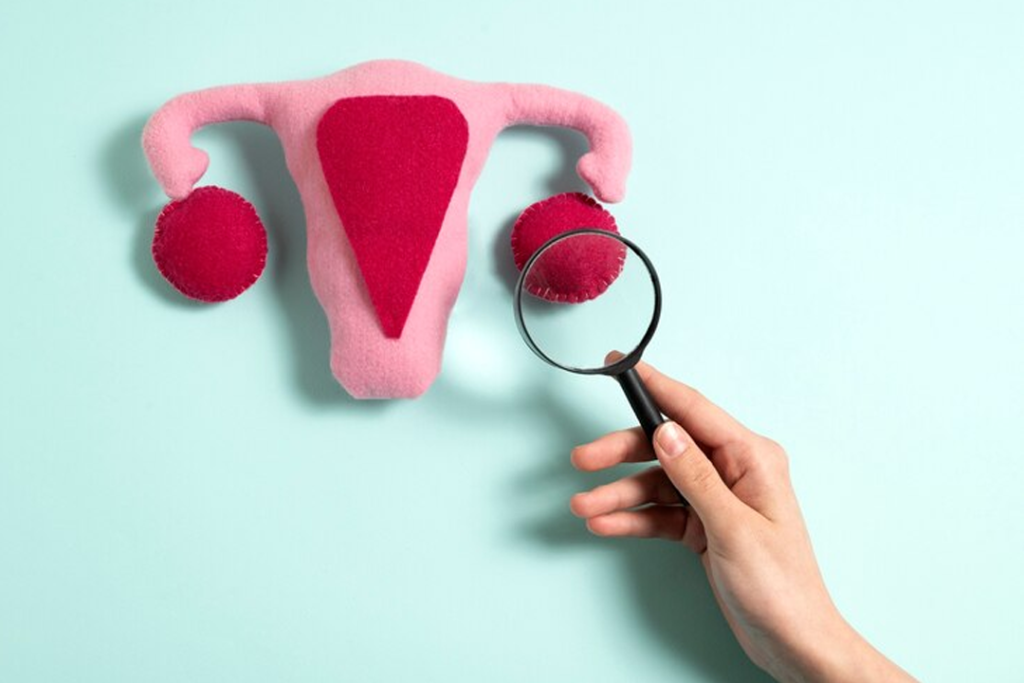
Uterine polyps, also known as endometrial polyps, are small growths that develop from the inner lining of the uterus (endometrium). They may vary in size, from a few millimetres to several centimetres, and can occur as a single growth or multiple growths.
Most uterine polyps are non-cancerous. However, some may contain abnormal or precancerous cells, particularly in women after menopause. Therefore, proper medical evaluation is important, especially when unusual bleeding occurs.
Common Symptoms of Uterine Polyps
Some women experience no noticeable symptoms, while others may develop changes in their menstrual cycle. Common symptoms include:
-
Heavy or prolonged menstrual bleeding
-
Spotting between periods
-
Irregular menstrual cycles
-
Bleeding after menopause
-
Difficulty conceiving in some cases
-
Unusual vaginal bleeding
If these symptoms continue or occur repeatedly, consulting a gynaecologist can help identify the underlying cause.
What Causes Uterine Polyps?
The exact cause is not always clear. However, hormonal factors, particularly sensitivity to oestrogen, are believed to influence their development.
Uterine polyps are more commonly identified around perimenopause and after menopause, although younger women can also develop them. Age, hormonal changes and certain medical factors may influence the likelihood of developing these growths.
How Are Uterine Polyps Diagnosed?
Accurate diagnosis helps determine whether monitoring or treatment is necessary. A gynaecologist may recommend:
Pelvic Ultrasound: Helps examine the uterus and identify possible growths in the uterine lining.
Saline Infusion Sonography: A small amount of saline is introduced into the uterus during ultrasound to provide a clearer view of the uterine cavity.
Hysteroscopy: A thin camera is passed through the cervix to directly examine the inside of the uterus. It can also help remove polyps when required.
Endometrial Biopsy: A tissue sample may be collected for laboratory examination to check for abnormal cell changes.
Uterine Polyp Treatment in Gurgaon: Available Options
Treatment depends on the size and number of polyps, symptoms, age and individual health requirements.
1. Regular Monitoring: Small polyps without symptoms may sometimes be monitored, particularly when the risk of abnormal changes is low.
2. Medication: Hormonal medicines may temporarily help manage certain bleeding symptoms. However, they do not reliably eliminate uterine polyps.
3. Hysteroscopic Polyp Removal: Hysteroscopic polypectomy is a commonly used minimally invasive procedure. A thin camera and specialised instruments are introduced through the cervix to locate and remove the growth without an abdominal incision. The removed tissue can then be sent for laboratory examination.
The most appropriate treatment is decided after individual assessment and discussion of the benefits and possible risks.
When Should You Consult a Gynaecologist?
Do not ignore repeated heavy periods, bleeding between menstrual cycles or any bleeding after menopause. Early assessment can help identify the cause and guide appropriate care.
Women looking for Uterine Polyp Treatment in Gurgaon can consult Dr. Shweta Hasija at Sector 89, Gurugram, for gynaecological evaluation and guidance regarding available treatment options.
Frequently Asked Questions
1. Are uterine polyps cancerous?
Most uterine polyps are benign. However, some may have precancerous or cancerous changes, so medical evaluation and tissue testing may be recommended.
2. Can uterine polyps affect pregnancy?
Some endometrial polyps may affect fertility or implantation. Their impact depends on their size, location and other reproductive factors.
3. Is hysteroscopic polyp removal painful?
Some women experience cramping or discomfort. Pain relief options depend on the procedure setting and individual needs and should be discussed with the treating doctor.
4. Can uterine polyps return after removal?
Yes, polyps can recur in some women. Follow-up consultations may help monitor symptoms and identify recurrence.
5. When should I seek treatment for uterine polyps?
Consult a gynaecologist if you experience persistent abnormal bleeding, heavy periods or bleeding after menopause. Treatment depends on your symptoms and examination findings.